
Cadets study at the modern aviation academy, where they receive professional training that meets international standards.
The responsibility of the flight crew working in the business segment is maximally expanded in comparison with civil aviation. The crew not only pilots a business jet. The pilot of a private vessel must perform pre-flight preparation of the aircraft, inspection after the flight. Competence is required in a wide range of issues, sometimes unrelated to direct responsibilities, including negotiations concerning the refueling of the aircraft, its maintenance, catering. This requires knowledge of foreign languages, cultural characteristics of the country and business etiquette. A business jet pilot is simply obliged to have the highest professional qualifications, be able to make non-standard decisions, be mobile and be responsible for his actions.
A plane serving regular flights and a business jet, in general, are operated the same way. But nevertheless, you need to constantly improve your skills and understand the features of various models of business jets, and there are many of them and new ones are constantly being produced.
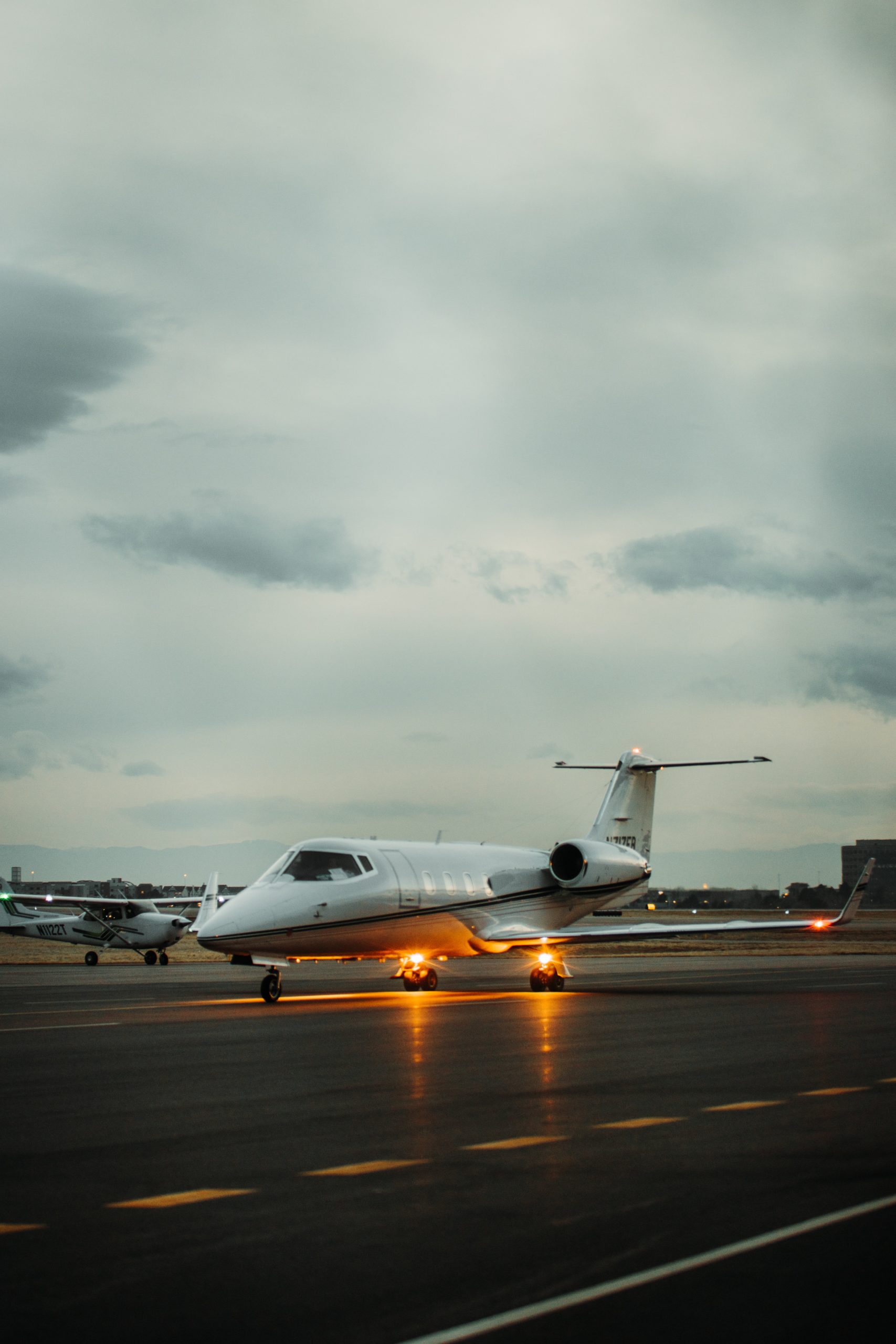
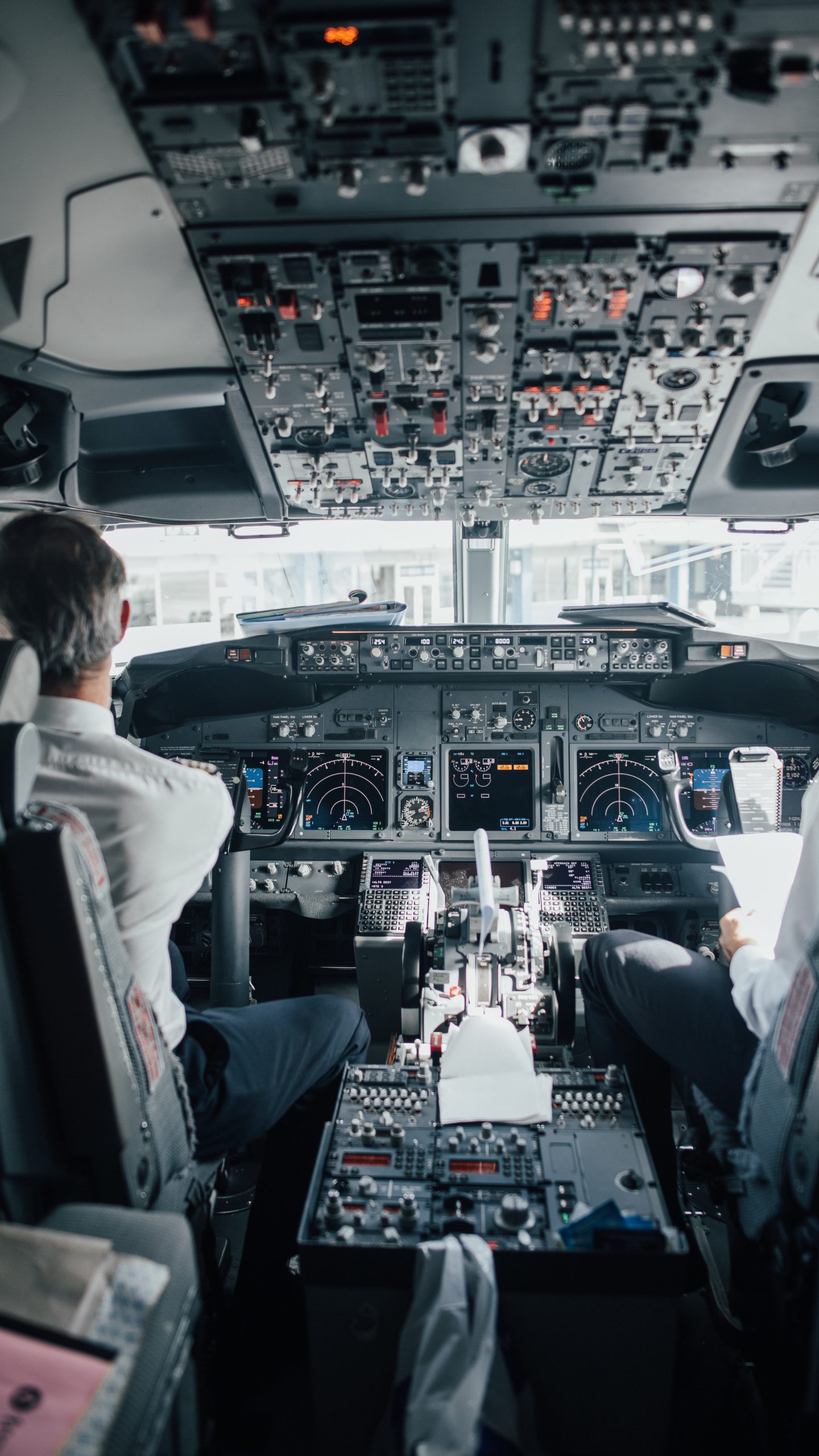
To become a business aviation pilot, you need to be trained. One of the options is a private flight school. Both male and female persons are accepted for training. As part of the educational process, theoretical foundations (ATPL) are studied and practical skills of aircraft control are practiced – first single-engine, then multi-engine.
The duration of theoretical training is about 1100 hours, flight practice, including flight simulators – 315 hours.
After completing the courses, a newly minted pilot is issued a Private Aviation Pilot’s Certificate (PPL).
Additionally, after individual courses, he also receives admission to perform instrument flights (IFR), confirming his ability to control the aircraft in difficult meteorological conditions.